Home

Category

Tech & Business History

46 articles

The War That Accidentally Taught America to Read on the Go

The War That Accidentally Taught America to Read on the Go

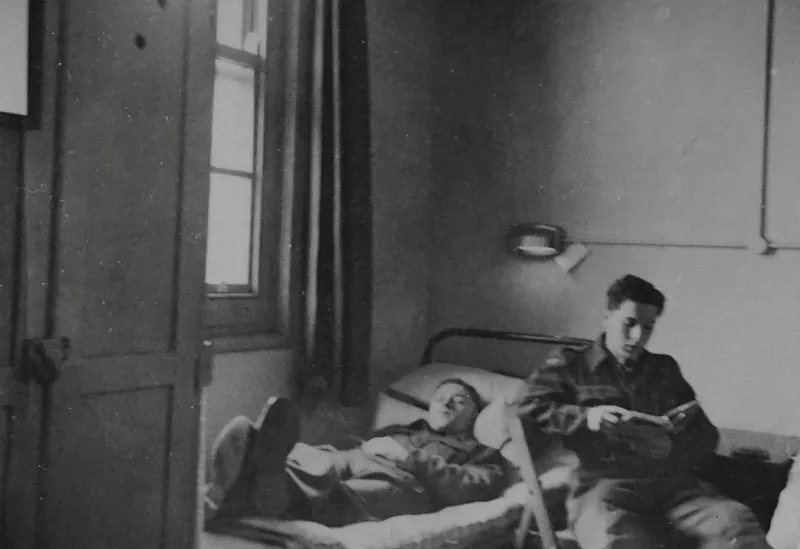
Paperback books were once considered trashy and disposable — until World War II forced publishers to create millions of cheap, portable editions for soldiers overseas. What started as wartime necessity accidentally created the mass-market reading culture that still fills airport bookstores today.

When One Store Owner's Wild Idea Accidentally Invented Modern Shopping

When One Store Owner's Wild Idea Accidentally Invented Modern Shopping

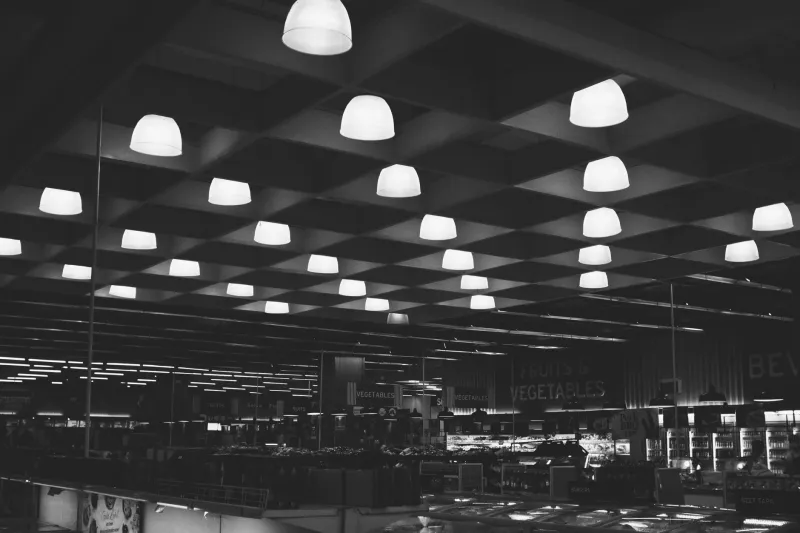
Before 1916, grocery shopping meant waiting in line while clerks fetched your items. Then Clarence Saunders had a crazy idea that seemed destined to fail — but when his company went bankrupt, it accidentally gave every retailer in America the blueprint for self-service shopping.

How Telegraph Companies Convinced America That Love Needs Flowers

How Telegraph Companies Convinced America That Love Needs Flowers

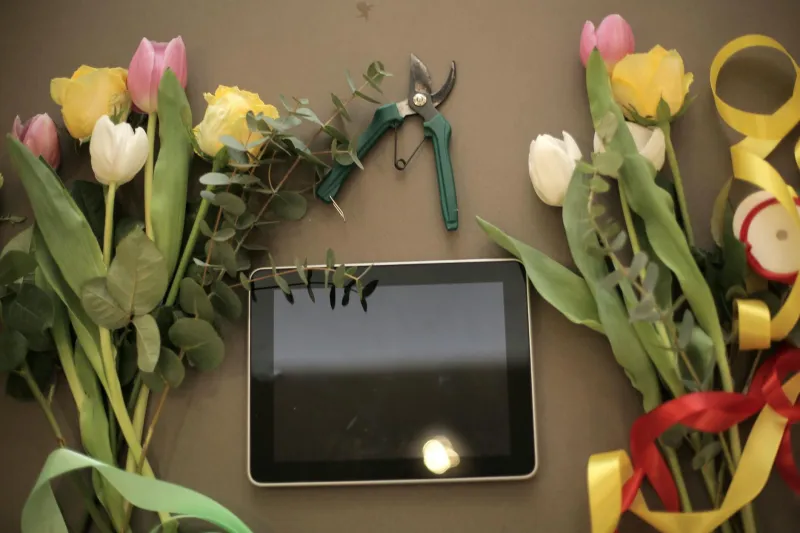
Sending flowers for every occasion feels like an ancient tradition, but it's actually a marketing scheme from 1910. Telegraph companies and clever florists created an entire emotional economy around perishable petals — and we're still buying into it over a century later.

The Bitter Medicine That Accidentally Became America's Sweetest Obsession

The Bitter Medicine That Accidentally Became America's Sweetest Obsession

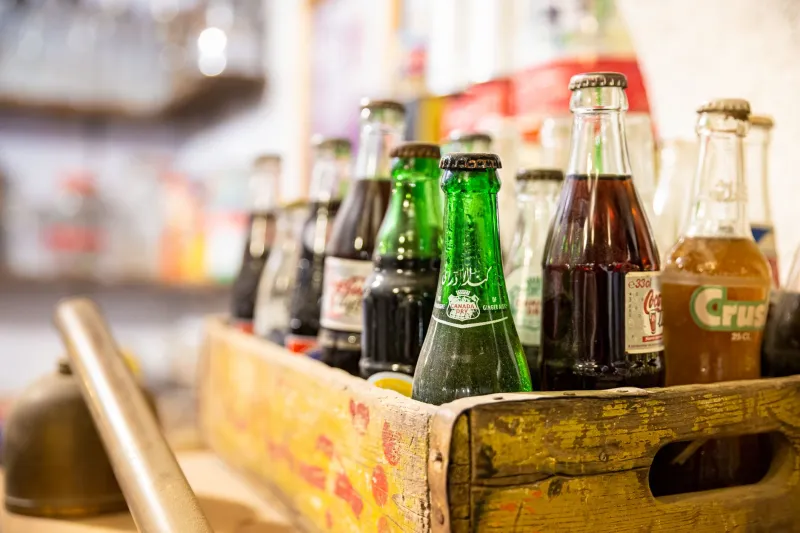
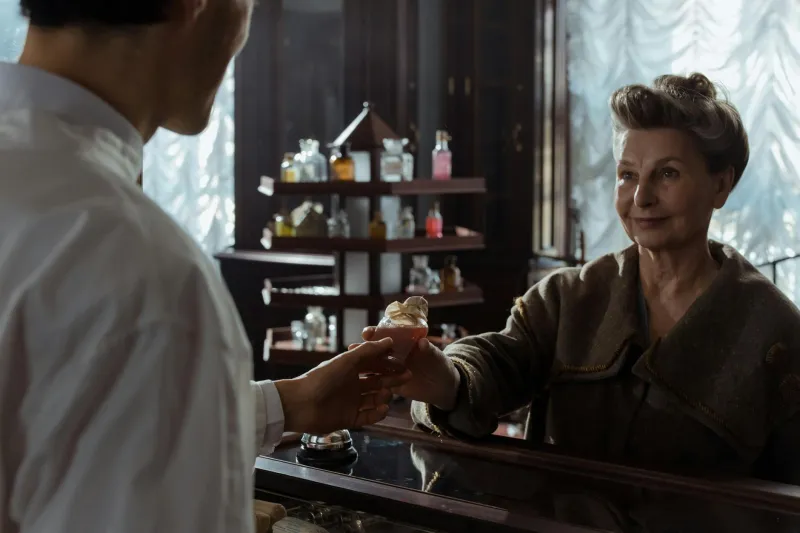
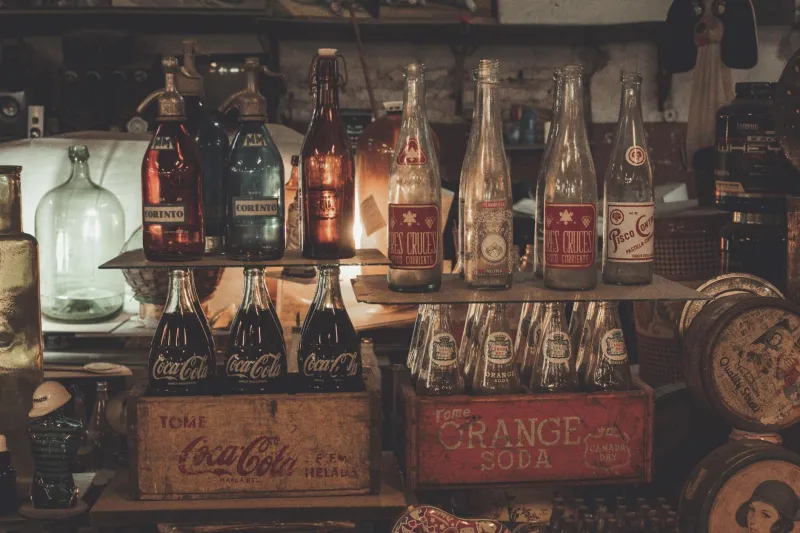
Carbonated water started as a failed attempt to cure everything from scurvy to melancholy. When American pharmacists got tired of customers complaining about the taste, they added flavored syrups—and accidentally created the soda fountain culture that would define American social life.

When Trains Taught America to Watch the Clock

When Trains Taught America to Watch the Clock

Before railroads, most Americans had no idea what time it was—and didn't care. Then train crashes forced the nation to synchronize, accidentally turning punctuality from a luxury into a moral virtue and putting a clock in every kitchen.

The Simple Bend That Stumped Humanity for 5,000 Years

The Simple Bend That Stumped Humanity for 5,000 Years

The paper clip seems so obvious that it's shocking humans didn't invent it until 1899. This is the story of how a Norwegian patent clerk solved a problem nobody else had bothered to fix, and accidentally created one of the world's most ubiquitous objects.

The Architect Who Dreamed of Community But Built Consumer Culture Instead

The Architect Who Dreamed of Community But Built Consumer Culture Instead

Victor Gruen fled Nazi Austria with a radical vision: enclosed marketplaces that would save American downtowns from suburban sprawl. Instead, developers hijacked his blueprints and created the modern shopping mall—turning his utopian dream into the very thing he was trying to prevent.

When Winter Broke the Bank: How a Busted Heater Created the Drive-Through Economy

When Winter Broke the Bank: How a Busted Heater Created the Drive-Through Economy

A Kansas City bank's broken heating system in 1928 forced them to install a pneumatic tube window so customers could bank without freezing in the lobby. That practical solution to a maintenance problem quietly launched the infrastructure that would reshape how Americans eat, shop, and live their daily lives.

The Gym Class Reject That Conquered American Backyards in Four Months

The Gym Class Reject That Conquered American Backyards in Four Months

Two California entrepreneurs turned a bamboo exercise ring nobody wanted into the fastest-selling toy in American history. Within months, 25 million Americans were spinning plastic hoops around their waists in what became an accidental national fitness movement.

The Factory Experiment That Accidentally Invented America's Weekend

The Factory Experiment That Accidentally Invented America's Weekend

Before the 1920s, most Americans worked six or seven days a week with no guaranteed rest. The two-day weekend we take for granted emerged from an unlikely combination of labor strikes, religious pressure, and one automaker's bold productivity experiment that shocked the business world.

The Machine Nobody Wanted Until the Government Took It Away

The Machine Nobody Wanted Until the Government Took It Away

Otto Rohwedder spent 16 years perfecting a bread-slicing machine that bakers called pointless. Then in 1943, the U.S. government banned sliced bread entirely — and suddenly Americans realized they couldn't live without it.

The Soggy Mistake That Launched America's Breakfast Revolution

The Soggy Mistake That Launched America's Breakfast Revolution

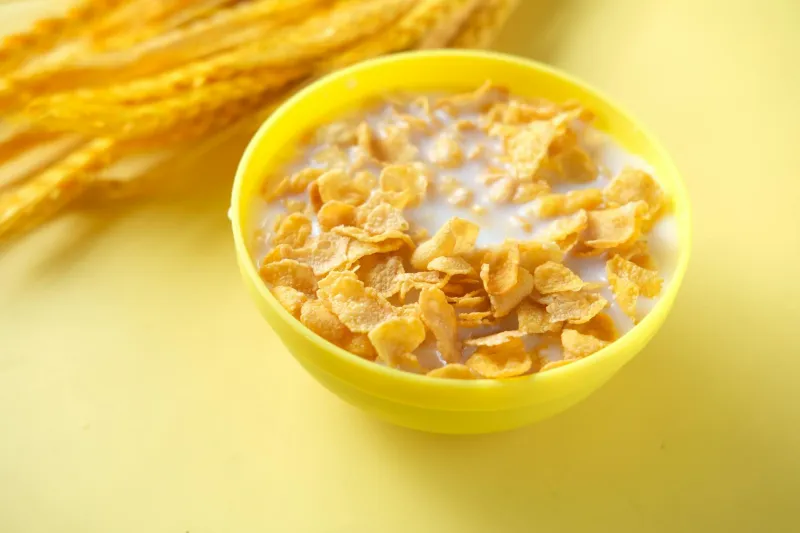
In 1894, a forgotten pot of boiled wheat at a Michigan health sanitarium led to one of America's most accidental food discoveries. What started as a costly mistake became the foundation of a breakfast empire that would transform how an entire nation starts its day.

The Cave Fire That Created America's Signature Spirit

The Cave Fire That Created America's Signature Spirit

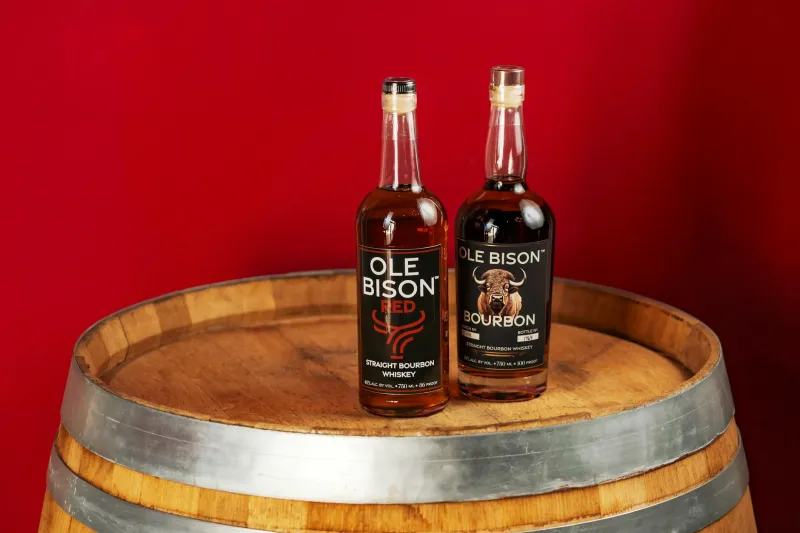
When a Kentucky preacher's whiskey barrels were damaged by fire and aged in limestone caves, nobody expected it would birth America's most protected spirit. The accidental discovery of bourbon's smooth flavor happened not in a distillery, but deep underground along the Kentucky River.

The Prisoner's Poem That Took 117 Years to Become America's Song

The Prisoner's Poem That Took 117 Years to Become America's Song

Francis Scott Key wrote what would become our national anthem while detained on a British warship in 1814. But the journey from hastily scribbled verses to official anthem was anything but straightforward, involving barroom singalongs, congressional battles, and a melody borrowed from a drinking song.

The Yellow Squeeze That Started as Medieval Medicine

That bright yellow mustard on your hot dog began as a Roman soldier's medicine and a medieval monk's failed meat preservation experiment. The journey from ancient battlefield remedy to America's most squeezed condiment involves French refugees, a World's Fair gamble, and one company's brilliant decision to make food look like sunshine.

She Built It as a Warning. They Sold It as a Game.

She Built It as a Warning. They Sold It as a Game.

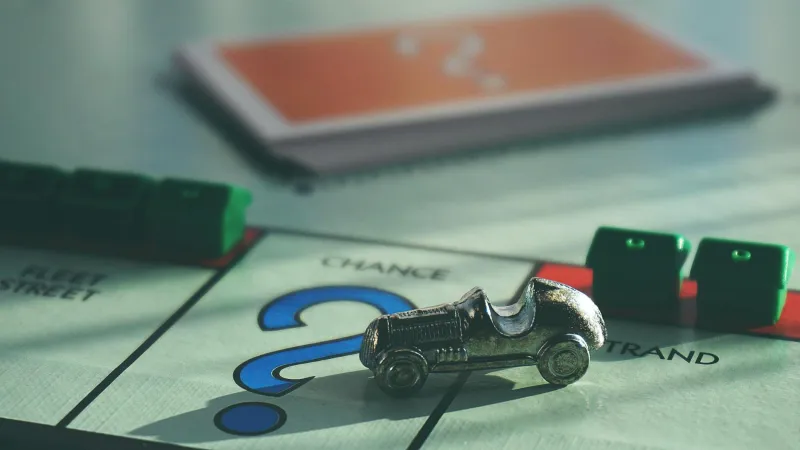
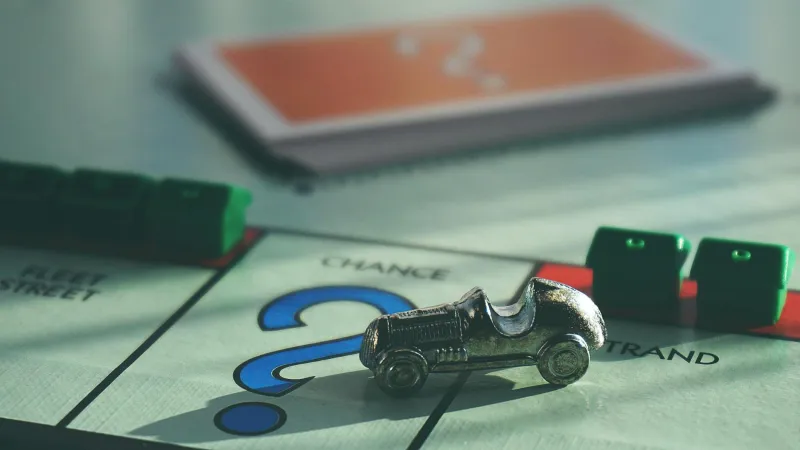
Monopoly has sold over 275 million copies and become a fixture in American living rooms, but the woman who invented it never intended it to be fun. Elizabeth Magie designed her Landlord's Game in 1903 as a sharp political lesson about the dangers of unchecked wealth — and watched as Parker Brothers quietly erased her name, buried her message, and turned her protest into a bestseller.

The Pants That Wouldn't Quit: How a Miner's Complaint Built an American Icon

The Pants That Wouldn't Quit: How a Miner's Complaint Built an American Icon

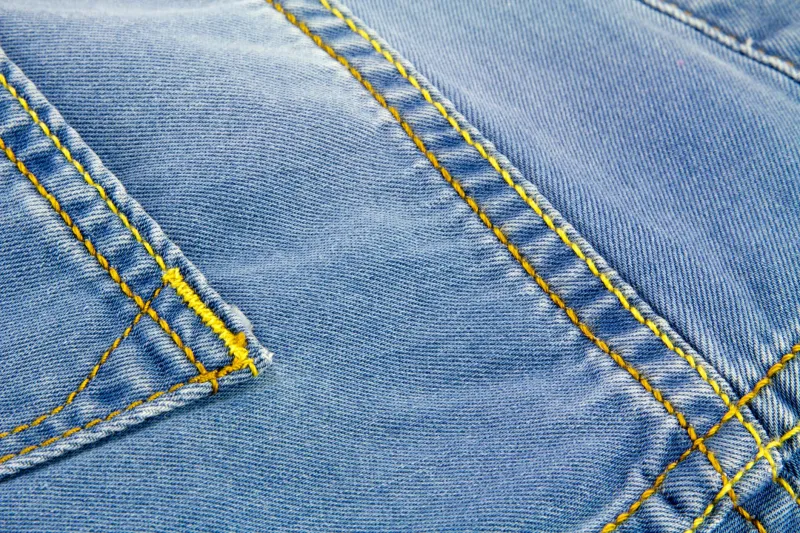
Levi Strauss wasn't chasing a fashion legacy when he partnered with a Nevada tailor to reinforce work pants with copper rivets in 1873. He was solving a simple, unglamorous problem — miners kept destroying their trousers. What came out of that practical fix was U.S. Patent 139,121 and a garment that would go on to define American identity, fuel youth rebellion, and end up in the permanent collection of the Smithsonian.

Frozen Gold: How a Doctor's Desperate Experiment Turned Ice Into an American Obsession

Frozen Gold: How a Doctor's Desperate Experiment Turned Ice Into an American Obsession

Before your freezer existed, ice was a precious commodity harvested from frozen New England ponds and shipped by sailing vessel to cities, plantations, and even distant ports in India. It took a Florida physician trying to save fever patients — and a near-accidental breakthrough in mechanical cooling — to make the ice cube something every American household could take for granted.

Brewed for Battle: How Wartime Desperation Gave America Its Morning Cup

Brewed for Battle: How Wartime Desperation Gave America Its Morning Cup

Millions of Americans tear open a packet of instant coffee every morning without a second thought. But the story behind that humble powder stretches back to Civil War supply lines and muddy WWI trenches — a tale of military logistics that accidentally shaped how an entire nation wakes up.

Nobody Wanted It: The Sticky Note That 3M Almost Never Made

Nobody Wanted It: The Sticky Note That 3M Almost Never Made

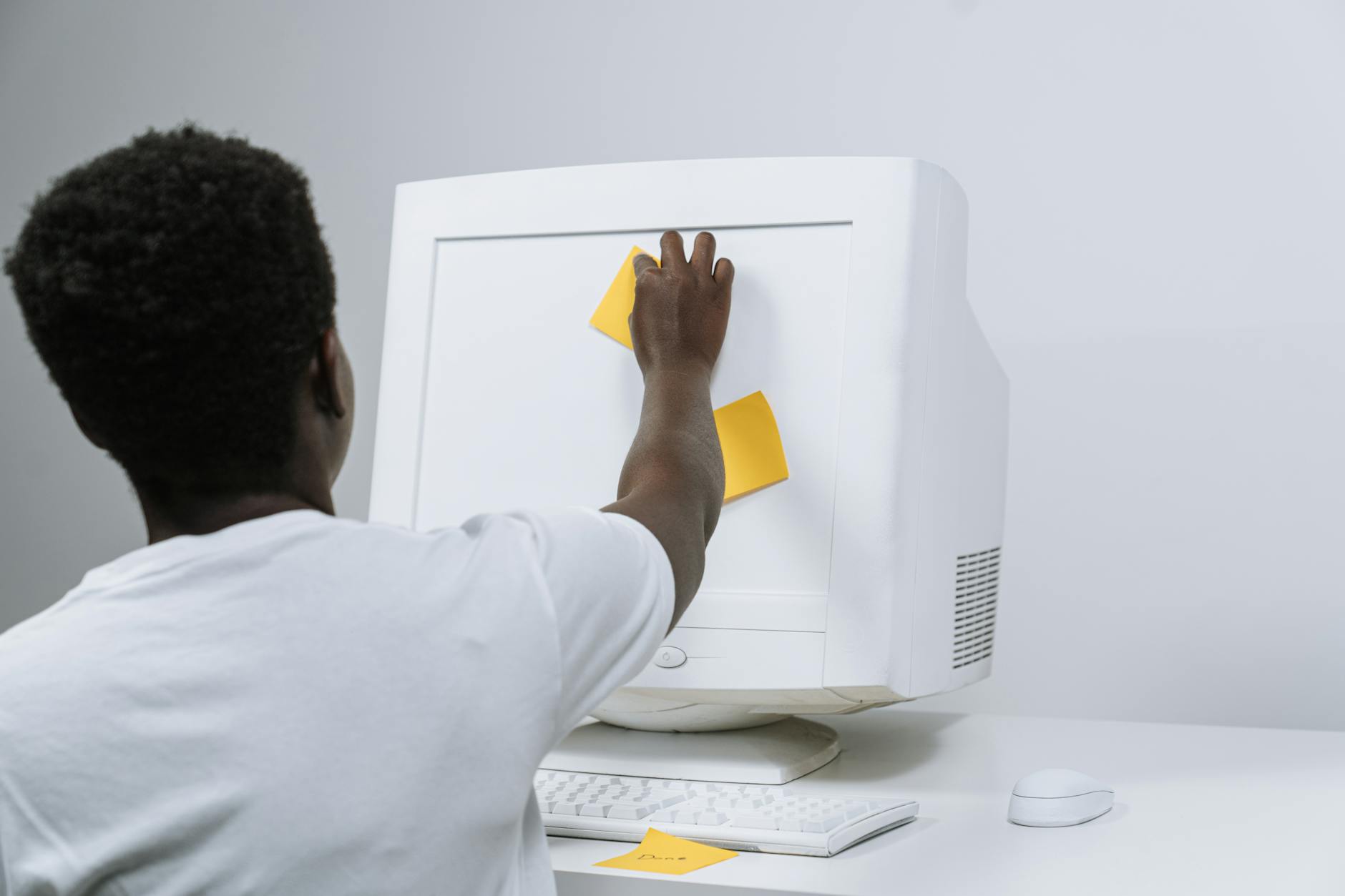
The Post-it Note exists because a scientist at 3M spent years trying to make a super-strong adhesive and failed spectacularly. The weak, reusable glue he accidentally created sat unused for nearly a decade — until a colleague used it to keep his church bookmark from falling out. What followed was one of the most stubborn product launches in corporate history.

From the Doctor's Bag to the Diner Table: How Ketchup Started as a Medicine

From the Doctor's Bag to the Diner Table: How Ketchup Started as a Medicine

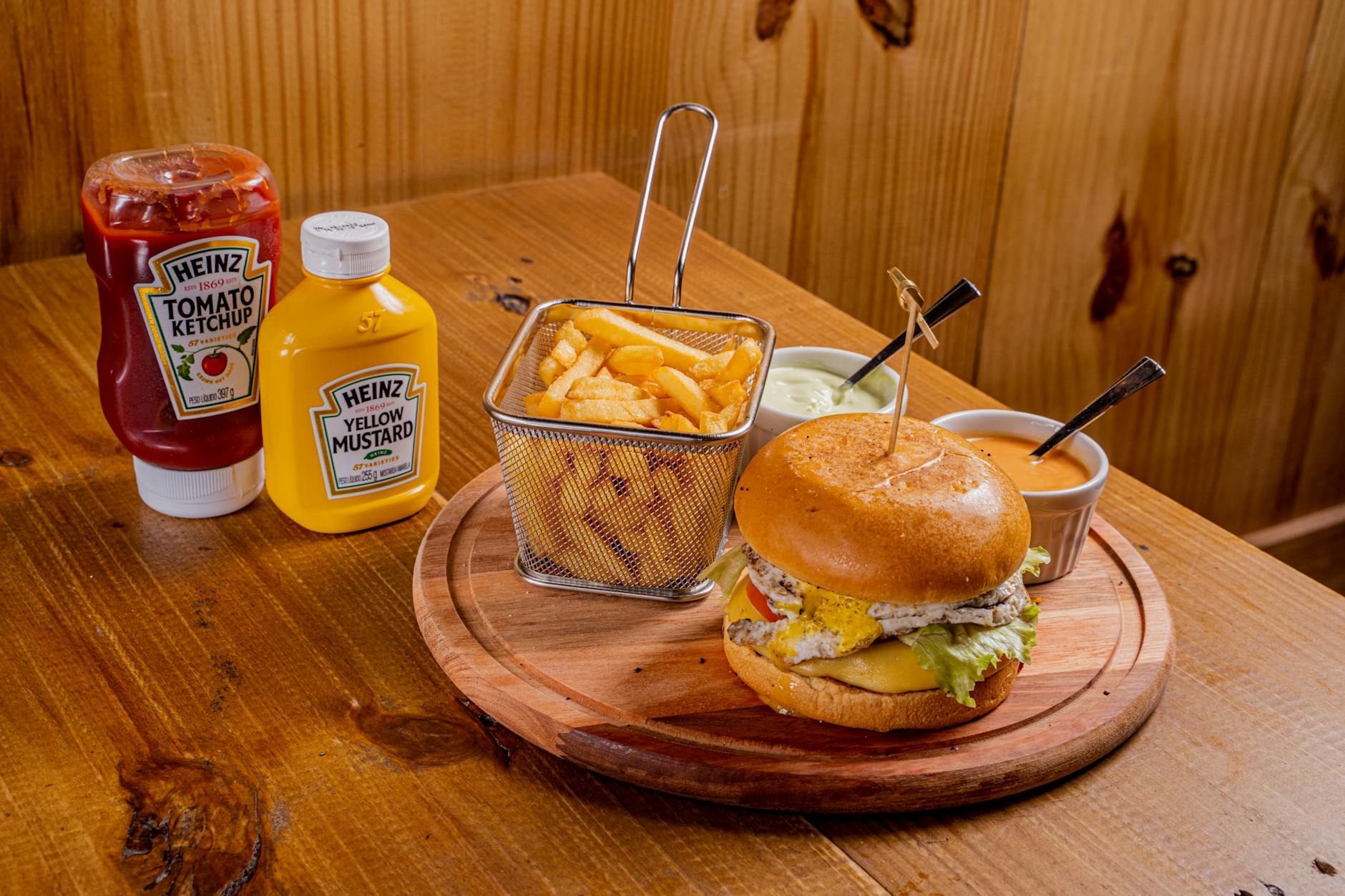
Before ketchup was the default squirt on your burger, it was being sold in pill form by 19th-century doctors as a cure for indigestion and liver complaints. What started as a patent medicine fad somehow survived, transformed, and ended up in 97% of American homes. The story of how that happened is weirder than you'd expect.

The Sunday Drive Wasn't About Freedom — It Was About Survival

The Sunday Drive Wasn't About Freedom — It Was About Survival

The classic American Sunday drive has always felt like a symbol of freedom and open roads. But the tradition didn't start that way. It was born in the depths of the Great Depression, when gas companies and automakers needed struggling families to keep spending — and sold them the idea that a slow drive to nowhere was the cheapest vacation they could afford.
From Fish Sauce to French Fries: The Weird Medical History of Ketchup

From Fish Sauce to French Fries: The Weird Medical History of Ketchup

Before ketchup was a diner staple, it was a doctor's prescription. The condiment sitting in your refrigerator right now has one of the strangest origin stories in American food history — stretching from ancient Southeast Asian fishing villages to 19th-century pharmacies to the Heinz factory that changed everything.

How One Chef's Frustration in 1853 Created America's Most Beloved Snack

How One Chef's Frustration in 1853 Created America's Most Beloved Snack

Nobody sets out to revolutionize an industry out of spite — but that's more or less what happened in a Saratoga Springs kitchen in 1853. What started as a passive-aggressive response to a picky dinner guest ended up reshaping the way Americans snack forever. The potato chip wasn't designed by food scientists or dreamed up in a corporate test kitchen. It was born from irritation.

The Melted Chocolate Bar That Launched a Kitchen Revolution Nobody Planned

The Melted Chocolate Bar That Launched a Kitchen Revolution Nobody Planned

In 1945, a self-taught engineer named Percy Spencer was working on military radar equipment when he noticed something odd: the chocolate bar in his shirt pocket had turned into a sticky mess. Most people would have been annoyed and moved on. Spencer got curious — and that small moment of curiosity set off a chain of events that put a microwave oven in over 90 percent of American homes. The thing is, nobody was trying to build a better kitchen. They were trying to win a war.

The Two-Letter Joke From 1839 That Somehow Became the Most Spoken Word on Earth

The Two-Letter Joke From 1839 That Somehow Became the Most Spoken Word on Earth

You've probably said it already today. Maybe a dozen times. 'OK' is so embedded in daily speech that most people never stop to wonder where it actually came from — and the answer is stranger than you'd expect. It wasn't coined by a philosopher or a linguist. Its rise to global dominance traces back to a newspaper prank, a presidential campaign, and a very specific kind of nineteenth-century humor that doesn't quite translate anymore.